Mobile Homes for Sale – Ultimate Guide to Affordable and Flexible Housing
Mobile homes, also known as manufactured homes, offer an affordable and flexible housing option. They appeal to buyers who want a lower-cost alternative to traditional housing. If you’re looking for mobile homes for sale, this guide explains the essentials. You’ll learn what mobile homes are, why they work for many families, examples of models you can buy, and how to start the buying process.
What is a Mobile Home and Why It Matters
A mobile home is a factory-built dwelling transported to the site where you plan to install it. Most mobile homes include a living room, kitchen with appliances, bedrooms, bathrooms, closets, heating, and plumbing. These features give you the main comforts of conventional homes.
Manufacturers build mobile homes off-site on a steel chassis. Because of this method, they deliver and install the home faster than building a house from the ground up. This speed makes mobile homes ideal for buyers who want quicker move-in times and simplified living.
Benefits of Choosing a Mobile Home for Sale
Affordability Compared to Traditional Housing
Cost is one of the strongest benefits. A mobile home usually costs much less than a standard house. First-time buyers, retirees, and budget-conscious families often choose this option because it offers real savings.
Since the purchase price is lower, you can use your remaining budget for furniture, maintenance, or lifestyle needs.
Flexibility and Speed
Factory construction shortens the timeline. You can move in sooner than you would with a newly built home. You also gain placement options. Some buyers install mobile homes on private land, while others choose mobile-home communities, depending on local zoning.
Mobile homes work well for people who expect future changes, such as job relocation or downsizing. They provide flexibility without the long-term commitment of a traditional home purchase.
Lower Maintenance & Modern Amenities
Today’s mobile homes often come with modern finishes, efficient layouts, and energy-efficient features. This makes them appealing to households that want a comfortable home without the hassles and costs of traditional home maintenance.
Also, since many mobile homes are delivered “turn-key” (i.e., ready to live in), you may avoid some of the costly or time-consuming steps associated with building a traditional house.
Real-World Examples of Mobile Homes for Sale
Here are a few real-world examples of mobile or manufactured homes available on the market illustrating the variety in size, layout, pricing, and usage.
Single-wide Mobile Home (Entry-Level Home)
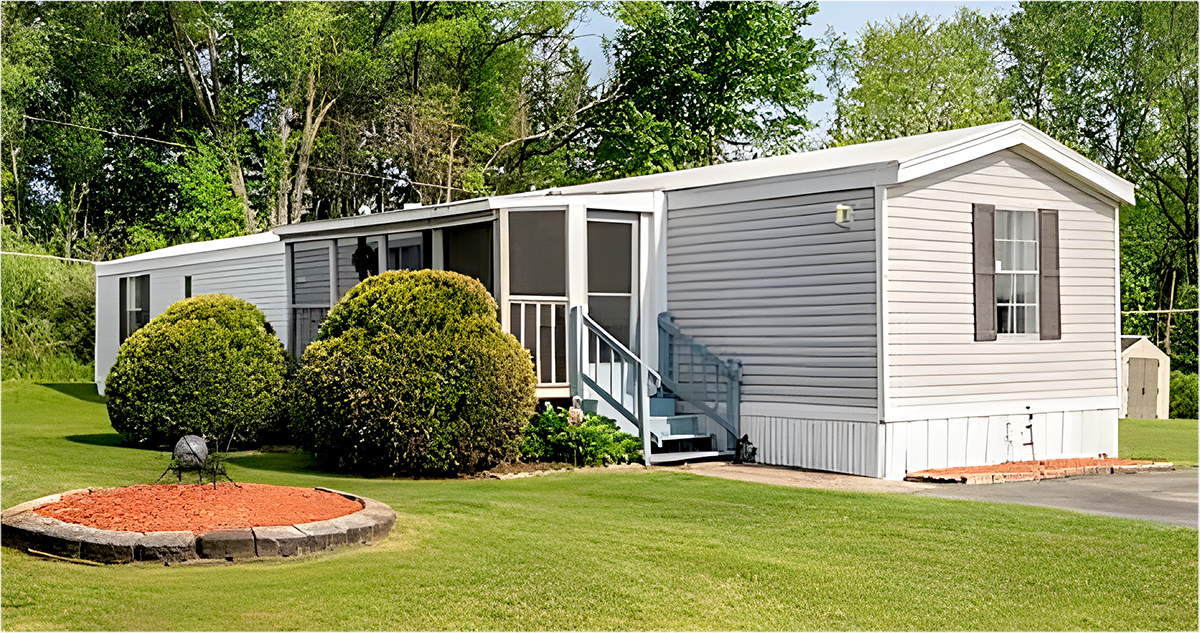
A typical “single-wide” mobile home offers modest living space and affordability. These units, often around 12′ × 62′ or slightly larger, may include a living room, compact kitchen, a bathroom, and 1–2 bedrooms.
This type of mobile home tends to cost less than larger models, making it an ideal option for individuals, couples, or small families who want an affordable path to homeownership. Because it is relatively compact, it can minimize utility costs and maintenance responsibilities a practical choice for those who want comfortable but simple living.
A single-wide home can solve the problem of high rent or long-term leasing: you get a home you own with lower overhead and less space to manage, ideal for smaller households or people just starting.
Double-wide Mobile Home (More Room & Comfort)
For those needing more space, perhaps a family, older parents, or people wanting guest rooms, a “double-wide” mobile home is a common upgrade over the single-wide. Double-wide homes effectively consist of two units joined together on a site, offering expanded living area, more bedrooms, a larger kitchen, and living spaces.
The extra space makes a double-wide suitable for longer-term living: more comfortable, more privacy, and a more home-like feel. For families or people wanting guest rooms/home office space, double-wide homes offer a balance between affordability and livability.
This solves the problem for buyers who find single-wide too small but don’t want the cost or commitment of a conventional house.
Turn-key Manufactured Home from Reputable Dealer

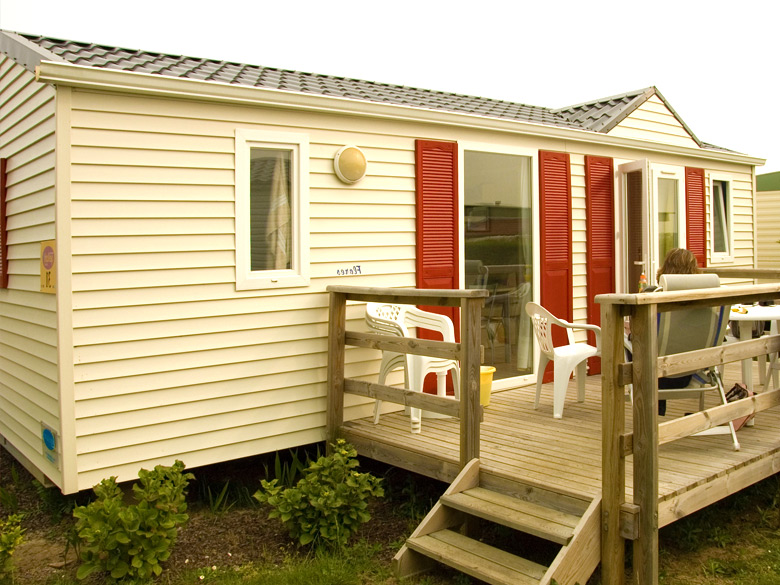
Some dealers and manufacturers offer modern, well-finished mobile homes built to high standards with features such as energy-efficient insulation, modern kitchens and bathrooms, open-concept layouts, and even customizable finishes.
These turn-key homes can be delivered and installed, making them a compelling option for buyers who want a “ready-to-live-in” home with little hassle. This model solves the problem of homebuyers who want modern amenities, reliable construction, and convenience without the delays or costs of building a custom home. It’s especially useful for people relocating, downsizing, or seeking affordable housing quickly.
Mobile Home Inside a Community / Mobile-Home Park
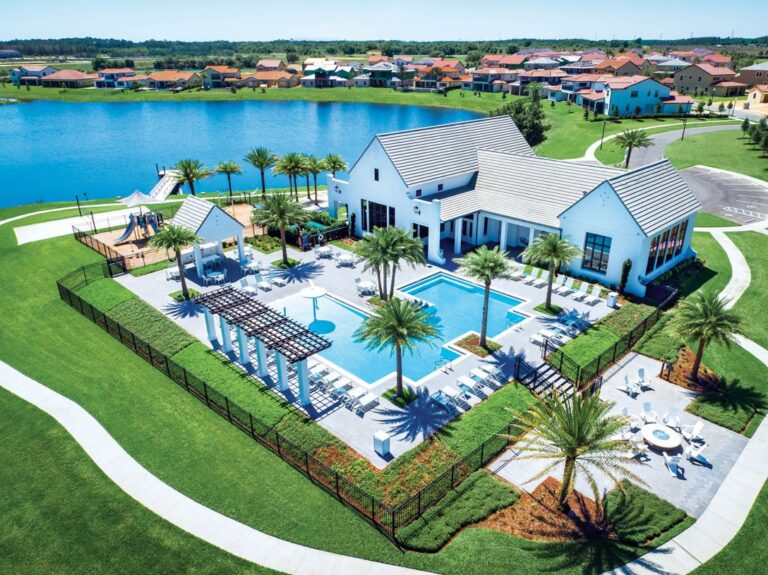
Another real-world scenario: buying a mobile home that sits inside a mobile-home park or community. This gives access to community amenities such as shared spaces, convenient infrastructure, and often easier access to utilities.
This arrangement solves the problem for buyers who do not own land: instead of buying land plus a home, you simply acquire the home and rent or lease the lot (depending on park rules). This can significantly lower the overall barrier to homeownership, especially in areas where land is expensive or scarce.
Customizable Modular/Mobile Home from Modular Home Provider

Companies that specialize in mobile and modular homes offer a range of models with different sizes, layouts, and customization options. For instance, modular-home providers often allow you to choose floor plans, finishes, and sometimes energy-efficient upgrades, offering flexibility like a custom-built home but with lower cost and faster delivery.
For buyers with specific needs like larger families, multi-generational living, or those desiring certain finishes, these customizable homes solve the problem of “one-size-fits-all” in typical housing. They help adapt the home to your lifestyle, budget, and land constraints.
How to Buy a Mobile Home: Process, Where to Look, What to Know
Where to Search for Mobile Homes for Sale
-
Online marketplaces and listing services dedicated to manufactured/mobile homes are among the most convenient ways to begin your search.
-
Dealers and manufacturers: Licensed mobile-home dealers often have a wide selection, including new and pre-owned homes, and may offer financing and installation services.
-
Mobile-home communities or parks: Some homes are listed for sale within parks either by residents or by park management, which may simplify lot rental or lease arrangements.
-
Private sellers: Individual homeowners sometimes sell their mobile homes directly. This route can yield good deals but often requires careful inspection and due diligence.
What to Check Before Buying
Before committing to a purchase, consider:
-
Whether the home will be placed on your own land or in a park/community. Land ownership vs. a leased lot can significantly affect long-term value and freedom.
-
The structural condition, finishes, and major systems (plumbing, heating/AC, insulation, utilities). Even though many mobile homes are factory-built to standards, quality may vary.
-
Local zoning laws or regulations. Some areas restrict the placement of mobile homes or require certain standards.
-
Whether utilities (water, sewage, electricity) are available or require setup. Some mobile homes depend on proper connections or septic systems.
What Happens After Purchase: Installation & Setup
When you buy a mobile home, if it’s new or from a dealer, the process usually involves delivery to your site, placement on a foundation or chassis, and connection to utilities. Dealers often help coordinate these steps.
If you’re buying a pre-owned or “used” mobile home, especially one moving from a previous site, make sure you understand the cost and logistics of moving, re-installation, and utility hook-up. Failure to plan for this can lead to unexpected expenses or delays.
Who Benefits Most from Mobile Homes for Sale
Mobile homes can be an excellent fit for a variety of people:
-
First-time homebuyers or young couples who want homeownership but have a limited budget.
-
People are seeking affordable housing options without sacrificing basic comforts and amenities.
-
Families or individuals who prefer smaller, easier-to-manage living spaces.
-
People needing quick relocation: because mobile homes are built in factories and relatively easy to deliver, they suit people moving for work or lifestyle changes.
-
Retirees or downsizers want a simpler, lower-maintenance home compared to a large traditional house.
-
Buyers with limited land or budget for land mobile homes can often be placed in mobile-home communities or on leased lots, reducing upfront land cost.
Potential Drawbacks & What to Watch Out For
As helpful as mobile homes are, there are some limitations and caveats to keep in mind:
-
Depreciation: Unlike traditional houses, mobile homes tend to depreciate over time, especially if the land is not owned.
-
Financing Challenges: Some lenders treat mobile homes as personal property (not real estate), which can make mortgages harder to get and often come with higher interest rates or shorter terms.
-
Zoning and Legal Restrictions: Local laws might limit where mobile homes can be placed, or impose special requirements, especially if you’re in a region unfamiliar with manufactured housing.
-
Perceived Social Stigma: In some places, mobile homes still carry a stigma compared to traditional houses. That might impact resale value or social perception.
-
Weather and Durability: Depending on climate and construction quality, mobile homes may be more vulnerable to extreme weather (wind, storms) compared to conventional homes, especially older models.
Understanding these drawbacks helps set realistic expectations and encourages informed decision-making.
How to Choose the Right Mobile Home for You
When evaluating mobile homes for sale, consider these guiding principles:
-
Define your budget and purpose. Are you buying as a permanent home, temporary housing, or investment? Do you own land or will you lease a lot?
-
Size & layout needs. Single-wide may suffice for individuals or couples; double-wide or customizable modular homes may suit families or long-term living.
-
Quality and features. Look for modern finishes, good insulation, reliable utilities, and optional upgrades (kitchen appliances, HVAC, etc.), especially if you plan to live long-term.
-
Location considerations. Whether placing on private land or in a mobile-home park/community, check zoning, utility access, community rules, and neighborhood stability.
-
Resale potential & long-term value. If you hope to sell or upgrade in the future, consider how long-term depreciation, land ownership, and market demand may impact value.
Frequently Asked Questions
Q1: Are mobile homes a good long-term investment compared to traditional houses?
A: It depends. Mobile homes offer lower upfront costs, faster setup, and flexibility, which can be excellent for affordability and mobility. However, many mobile homes depreciate over time (especially if not on owned land), whereas traditional homes on owned land tend to appreciate. Therefore, if you view a mobile home like a durable, low-cost housing solution rather than a real estate investment, it can make sense.
Q2: What are the major costs after buying a mobile home?
A: After purchase, you may need to account for delivery and installation (chassis/foundation, hooking up utilities), ongoing lot rent (if in a park), maintenance, and potential property or land costs (if you own land). If financing through a loan, loan interest, and shorter loan terms are also common in mobile-home financing.
Q3: Where is the best place to search for mobile homes for sale?
A: Some of the best places include online marketplaces or listing sites dedicated to mobile/manufactured homes, licensed mobile-home dealers and manufacturers, mobile-home communities or parks (for homes within their lot networks), and sometimes private sellers offering pre-owned homes.
Conclusion
Mobile homes for sale offer a compelling alternative to traditional housing, combining affordability, flexibility, and convenience. For many people, especially first-time buyers, small families, retirees, or those needing mobility, a mobile home can fulfill the dream of homeownership without the heavy financial burden of a conventional house.