Office Space for Rent: The Complete Guide to Choosing the Right Workspace for Your Business
Finding the right office space for rent is one of the most critical decisions for any business, whether you are a startup, freelancer, growing company, or established enterprise. The workspace you choose directly impacts productivity, company culture, brand perception, and operational costs.
Today’s office rental market has evolved far beyond traditional long-term leases. Businesses now have access to flexible, technology-enabled office spaces designed to meet modern work requirements. This comprehensive guide explains how office space rentals work, the benefits they provide, real-world office space providers, and how to choose and rent the best option for your needs.
Understanding Office Space for Rent
What Does Office Space for Rent Mean?

Office space for rent refers to commercial workspaces that businesses or individuals can lease for professional use. These spaces range from private offices and coworking desks to fully serviced corporate floors. Unlike property ownership, renting office space allows businesses to operate without large upfront investments.
Modern office rentals often include utilities, internet, furniture, maintenance, and shared amenities. This makes them an efficient solution for businesses that want predictable costs and minimal setup time.
Types of Office Spaces Available in the Market
Office space rentals are available in several formats. Traditional office leases typically involve long-term contracts and customization responsibilities. In contrast, flexible and serviced offices offer short-term agreements, shared facilities, and ready-to-use environments.
Coworking spaces, executive suites, and hybrid office models have become increasingly popular due to remote and hybrid work trends. These options allow businesses to scale up or down as needed.
How Office Space Rental Works
The Office Rental Process Explained
The rental process begins with identifying business requirements such as location, team size, budget, and lease duration. Once a suitable space is selected, the provider outlines pricing, inclusions, and contract terms.
Many modern office providers simplify the process by offering online tours, transparent pricing, and digital contracts. This allows businesses to secure office space quickly without complex negotiations.
Lease Flexibility and Cost Structure
Office space for rent can be structured on monthly, quarterly, or annual terms. Flexible offices often bundle costs into one monthly fee, covering rent, utilities, internet, and maintenance.
This predictable cost model helps businesses manage cash flow and avoid unexpected expenses associated with traditional leases.
Benefits of Renting Office Space
Cost Efficiency and Financial Flexibility
Renting office space eliminates the need for property ownership, long-term commitments, and major capital expenditure. Businesses can allocate funds toward growth, hiring, and technology instead of real estate overhead.
Flexible rental terms allow companies to adapt to market changes without financial penalties, making office rentals ideal for dynamic business environments.
Professional Image and Productivity Boost
A well-located office enhances brand credibility and creates a professional impression for clients and partners. Dedicated workspaces also improve employee focus, collaboration, and morale compared to working from home.
Access to meeting rooms, reception services, and shared amenities further supports daily operations and client interactions.
Technology-Driven Office Space Solutions
Smart Infrastructure and Digital Access
Modern office spaces leverage technology to enhance convenience and security. Keyless entry, smart climate control, high-speed internet, and cloud-based booking systems are now standard features.
These technologies improve operational efficiency and create a seamless work experience for tenants.
Hybrid Work Enablement
Office space providers now design environments that support hybrid work models. Businesses can maintain a physical presence while allowing employees to work remotely when needed.
This flexibility reduces overhead while preserving collaboration and team engagement.
Real-World Office Space Providers
Regus

Regus specializes in serviced offices and professional business centers worldwide. It caters to freelancers, SMEs, and multinational corporations.
Regus offices emphasize privacy, professionalism, and global accessibility. Businesses can rent space in one city and access meeting rooms in other locations, making it ideal for companies with distributed teams.
Spaces
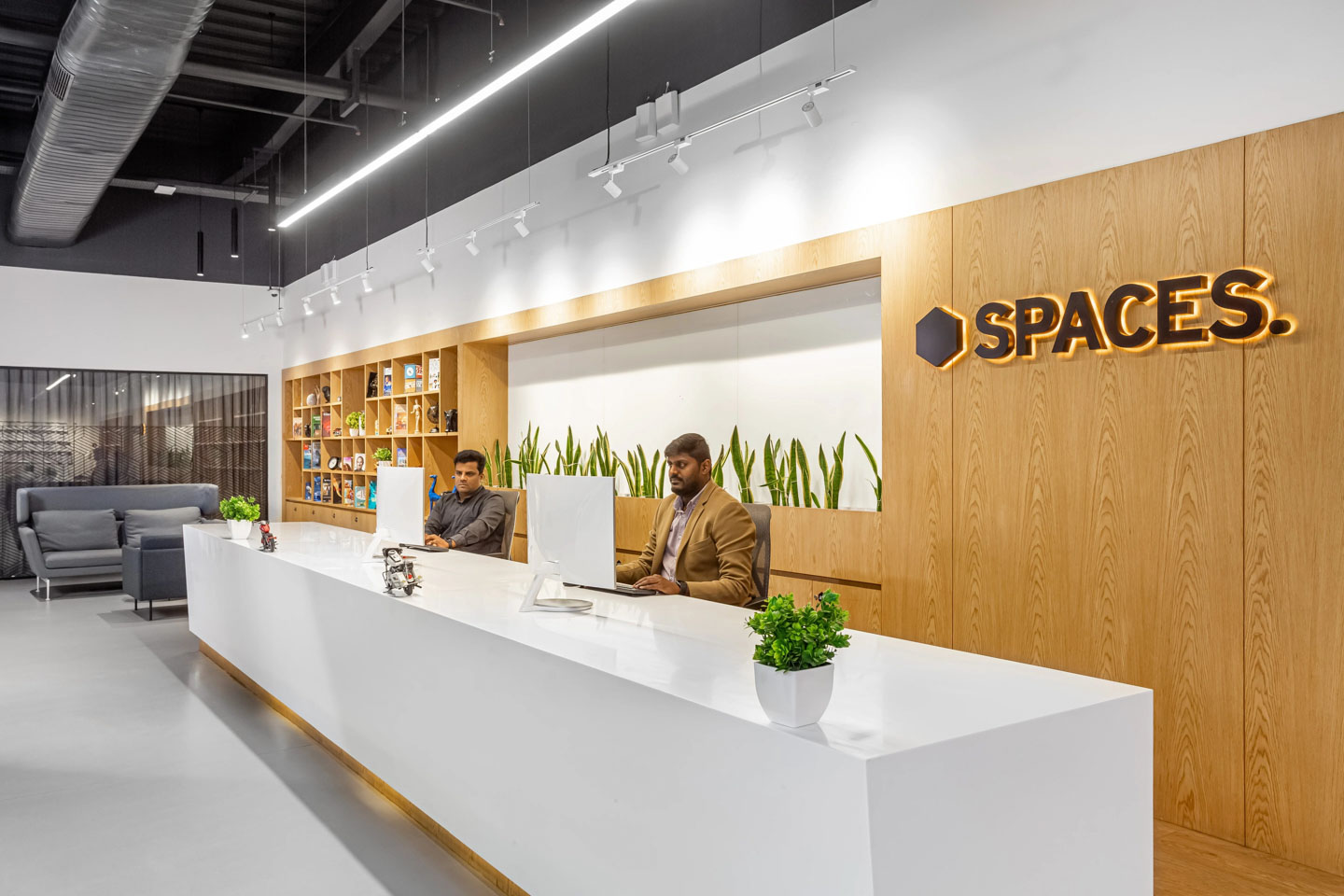
Spaces focuses on creative, design-driven office environments. It offers flexible offices, coworking spaces, and meeting rooms tailored for innovation-focused teams.
Spaces is ideal for entrepreneurs, designers, and technology companies that value collaboration and modern aesthetics.
Industrious
/cdn.vox-cdn.com/uploads/chorus_image/image/63912907/Industrious_Bellevue_041.0.jpg)
Industrious provides premium office spaces with a hospitality-driven approach. Its offices emphasize comfort, productivity, and personalized services.
This provider is well-suited for professionals and enterprises seeking a high-end office experience without long-term commitments.
Knotel

Knotel offers customizable office spaces for mid-sized and large companies. Its model focuses on branded, private offices with flexible lease terms.
Knotel is ideal for businesses that want control over office design while maintaining rental flexibility.
Use Cases: Problems Office Space for Rent Solves
Supporting Business Growth and Scalability
Growing companies often struggle with space constraints. Renting office space allows teams to expand or downsize without relocating or renegotiating complex leases.
This scalability ensures businesses always have the right amount of space for their operations.
Enhancing Collaboration and Client Trust
Remote work can reduce collaboration and weaken client relationships. Office spaces provide a central hub for teamwork, meetings, and presentations.
Clients often perceive businesses with professional offices as more credible and reliable, which can influence purchasing decisions.
Why Businesses Choose Office Space for Rent
Flexibility in a Changing Work Environment
The modern workforce values flexibility. Office rentals allow businesses to adapt to remote work trends while maintaining a physical presence.
This hybrid approach balances cost savings with operational effectiveness.
Reduced Operational Burden
Office space providers handle maintenance, security, and utilities. This allows businesses to focus on core activities instead of managing facilities.
The result is improved efficiency and reduced administrative workload.
How to Choose the Right Office Space for Rent
Key Factors to Consider
Location, budget, team size, and amenities are critical considerations. Businesses should also evaluate lease terms, expansion options, and included services.
Choosing the right provider ensures long-term satisfaction and operational success.
Comparing Providers and Making a Decision
Tour multiple spaces, review contracts carefully, and consider future growth. Many providers offer trial periods or short-term agreements, making it easier to test suitability.
A strategic approach ensures the office space supports both current and future needs.
Frequently Asked Questions
Q1: Is office space for rent better than buying property?
For most businesses, renting offers greater flexibility, lower upfront costs, and reduced risk compared to property ownership.
Q2: How long are typical office rental agreements?
Flexible office rentals can range from month-to-month to multi-year agreements, depending on the provider and space type.
Q3: What is included in office space for rent?
Most modern office rentals include furniture, internet, utilities, cleaning, and access to shared amenities such as meeting rooms.