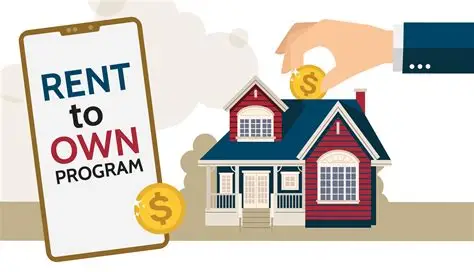
Sell My House Fast – Proven Strategies to Sell Quickly for the Best Price
When someone types “buy houses for sale,” they’re expressing a strong intent to purchase immediately, not just browse. Targeting this transactional keyword helps your content match people ready to take action, not merely researching. Focusing on that phrase increases the likelihood that visitors convert (contact an agent, schedule a viewing, or request more info).
Moreover, in the competitive real estate space, pairing “houses for sale” with an action verb like “buy” helps filter out casual browsers and reach serious buyers. Aligning content with buyer intent is a key principle of real‑estate SEO strategies.
What You Should Know Before You Start House‑Hunting

Buying a house is one of the biggest investments most people make, so preparation matters. Here’s what you need to consider: location, condition, financing, and lifestyle.
-
Location & Community The neighborhood you choose will impact daily life: commute time, access to amenities (schools, shopping, parks), and future property value. Real‑estate SEO advice often emphasizes highlighting local appeal to attract the right buyers.
-
Home Condition & Features Look at the number of bedrooms/bathrooms, floor plan, structural integrity, proximity to infrastructure, and suitability for your lifestyle (family, work commute, etc.). A well‑described listing helps buyers visualize living there.
-
Financing and Budget Know your budget, mortgage options (if relevant), and associated costs (taxes, fees, maintenance). Being realistic ensures you don’t overstretch financially.
-
Long-term Vision: Are you buying a starter home, a forever home, or an investment? This impacts what kind of house you should search for (size, resale value, neighborhood potential, etc.). A smart buyer plans accordingly.
Why Buying a House for Sale Matters: Key Benefits
Buying a house has numerous advantages over renting, both practical and emotional. Below are the major benefits:
-
Stability & Ownership Owning a house means stability: no surprise rent increases, eviction risks, or landlord rules. You can personalize your home, renovate, and build lasting memories.
-
Long-Term Investment and Equity Over time, property values tend to appreciate (depending on location and market conditions). Each mortgage payment builds equity rather than paying rent to a third party.
-
Tax / Financial Advantages (in some regions) Depending on the country, homeowners may benefit from tax deductions, property-related benefits, or long-term wealth-building through real estate appreciation.
-
Freedom & Personalization You can renovate, decorate, landscape, or expand, making a living space truly yours. No restrictions from landlords.
-
Sense of Belonging / Security Homeownership often brings a sense of permanence and belonging. It can foster community connection, stability for kids, and a reliable base for the future.
These benefits make “buy houses for sale” more than a transaction; it’s a lifestyle decision and long-term investment.
Real‑World Examples: Houses for Sale You Can Consider
Below are three real-world example houses (from publicly listed properties) to illustrate what “houses for sale” might look like, what features buyers get, and why these could appeal to different needs. These examples help make the concept tangible.
Modern 4‑Bedroom Family Home in Quiet Suburbia

This property features four bedrooms, two bathrooms, a spacious garden, and a two‑car garage. Situated in a quiet, family-friendly suburb with good local schools, it offers a balance of space, comfort, and convenience. Ideal for growing families who want room for children to play and a stable environment for education.
Buying such a house solves the problem many families face: limited space in urban apartments, lack of outdoor area for children, and noise. The garden offers a safe place for kids to play, while the garage adds storage and parking convenience. For families seeking long-term stability, this house represents a solid, ready-to-live-in option.
To buy: You can contact the listing agent on the real estate website and schedule a viewing. If financing is needed, prepare your documents (income proof, down payment). Once approved, sign the purchase agreement.
Cozy Starter Home Near City Center
This starter house is a compact two-bedroom and one bathroom, but located near the city center, close to transit, shops, and public amenities. It’s perfect for first-time homebuyers, young couples, or individuals who want convenience over a large space.
The main benefit here is location. Living near the city center reduces commuting time; you have easy access to work, shops, entertainment, and public services. This kind of house solves the problem of long commutes and transportation costs. For someone starting their homeownership journey, this is a realistic, affordable entry point into real estate.
Buying steps: Contact the seller, inspect the house carefully (especially since city‑center homes might have age or maintenance issues), negotiate price, and finalize purchase.
Luxury Villa With Pool and Large Yard

For buyers who value comfort, luxury, and high-end living, this villa offers multiple bedrooms, en-suite bathrooms, a private pool, a landscaped garden, and modern amenities. Located in a quiet upscale neighborhood, it provides privacy, luxury features, and spacious living ideal for extended families or those seeking premium living.
This property solves lifestyle problems: if you enjoy hosting family gatherings, entertaining guests, or simply want more privacy and luxurious comfort, a villa like this offers exactly that. The yard and pool offer recreation and relaxation at home rather than paying for amenities elsewhere.
To purchase: often, such luxury homes involve more paperwork, a larger down payment or full cash payment, and possibly working with specialized luxury real estate agents. Be sure to inspect the condition, legal titles, and neighborhood rules.
How to Search, Where to Buy Houses for Sale
-
Use Local-Intent Keywords & Search Filters Rather than generic “houses for sale,” search with specifics like “3‑bedroom houses for sale in [city or neighborhood],” “family homes for sale near good schools,” or “houses for sale under [your budget] in [region].” This helps you narrow choices quickly. Real‑estate SEO best practices recommend long-tail and location-specific keywords to reach buyers with clear intent.
-
Check Real Estate Listing Platforms and Local Agents. Use reputable real estate websites, local agencies, or MLS-type listing portals to browse available houses. Ensure photos are high-quality and descriptions are detailed; good listings often include neighborhood info, size, features, and amenities. Visual content like photos or virtual tours significantly improves marketing effectiveness.
-
Visit the Property Personally. Never rely solely on listing descriptions. Visit the house, walk the neighborhood, check structural condition, noise levels, proximity to services (schools, public transport, markets), and overall suitability.
-
Get Financials in Order Before Seriously Pursuing a listing. Ensure you have financing ready: down payment, ability to obtain a mortgage (if applicable), and budget for maintenance or renovation.
-
Work with a Trusted Agent. A trusted local real estate agent or broker can provide guidance, help with paperwork, inspections, and negotiations. Their expertise ensures smoother transactions and better protection for the buyer.
-
Use Smart Filters and Tools. Use map-based search, filter by price, size, number of rooms, amenities, and location to match your needs. A website with good UX & navigation helps significantly.
Common Challenges When Buying Houses And How to Overcome Them
Market Competition & High Demand
Because many people search for “houses for sale,” competition can be high, especially in desirable areas. To overcome this, act fast when you find a promising listing, have financing ready, and be responsive when contacting the seller or agent.
Overpaying or Hidden Flaws
Some houses may look perfect online, but once inspected may reveal structural, plumbing, or maintenance issues. Always visit the property, hire a professional inspector if possible, and ask detailed questions about the house’s history.
Financing, Budget Constraints, and Hidden Costs
Beyond purchase price, there may be taxes, maintenance, renovation, utilities, and neighborhood association fees. Prepare a realistic budget including all expenses, and factor in future costs.
Limited Choices in the Desired Area
If you have strict preferences (location, size, amenities), your pool of options can shrink fast. Be ready to compromise on some features, or expand your search radius to increase choices.
Tips for Sellers & Agents: How to Make Your Listings Stand Out
If, instead of buying, you are selling houses for sale, make your listing content strong. Provide high‑quality images, maybe virtual tours or drone footage; write detailed, story‑driven descriptions; highlight neighborhood features, local amenities, lifestyle benefits.
Optimize pages for search engines: use long-tail keywords, local intent, alt texts for images, and structured data/schema markup so your listings show up better in search results.
Frequently Asked Questions (FAQ)
Q1: What should I check first when looking at a house for sale?
A: First, evaluate the location’s neighborhood safety, proximity to your work or school, access to amenities (shops, hospitals, transport), and community vibe. Then check the house’s condition: structure, roof, plumbing, number of rooms, ventilation, and overall suitability for your family or lifestyle.
Q2: Is it better to buy a small starter home near the city center or a larger house farther away?
A: It depends on your priorities. A small home near the city center offers convenience, shorter commute, easy access to facilities, and lower maintenance. A larger house farther away may offer more privacy, space, room for growth, and possibly better value over time. Choose based on lifestyle, commute needs, family plans, and budget.
Q3: How do I make sure the listing I see online is reliable?
A: Use trusted real-estate platforms or reputable agents; ensure photos and descriptions are detailed; always visit the property in person; verify legal documents and property history; consider hiring a professional inspector; and avoid deals that seem too good to be true.
Conclusion
Buying houses for sale isn’t just about finding a property; it’s about finding a home that fits your lifestyle, budget, and plans. By targeting the right keywords like “buy houses for sale” and using smart search strategies, you can discover properties that match your needs. Always do due diligence: inspect thoroughly, understand the financing, and prioritize location and long‑term suitability. With the right preparation and mindset, you can turn the dream of owning a house into a successful, fulfilling reality.